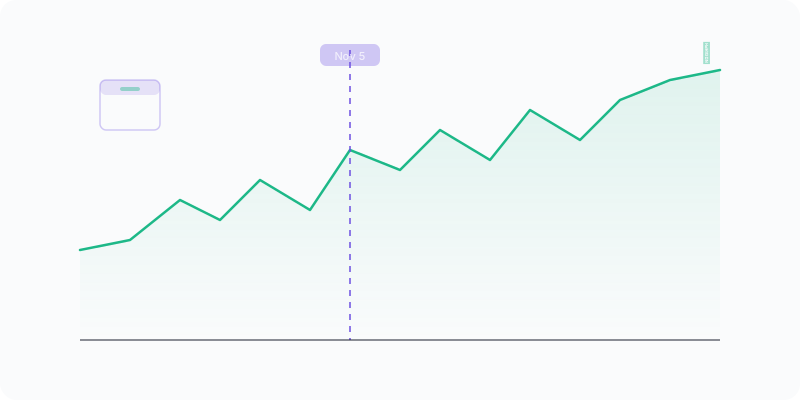
The election is over. Donald Trump will return to the White House in January with Republican control of both chambers. Markets responded with the Dow surging over 1,500 points—the biggest post-election rally ever. But before you make any moves, let's separate the signal from the noise.
What Markets Are Pricing In
The rally reflects expectations of:
- Tax cuts: Extension of the 2017 TCJA provisions set to expire in 2025, possibly with additional corporate rate cuts
- Deregulation: Particularly in energy, banking, and crypto sectors
- Tariffs: Proposed 10-20% universal tariffs and 60%+ on Chinese goods
That last one is a double-edged sword. While markets initially cheered, economists warn that broad tariffs could reignite inflation. The Fed just cut rates—tariff-driven inflation could force them to pause or reverse course.
Your 2025 Tax Planning
The 2017 tax cuts are scheduled to sunset after 2025. If they're extended (likely with unified Republican control), current rates stay in place. If somehow they lapse, you'd see:
- Top rate returning from 37% to 39.6%
- Standard deduction roughly halved
- Child tax credit dropping from $2,000 to $1,000
Most likely scenario? Full extension plus potential additional cuts. But don't count your tax savings before they're signed into law.
Try the Budget Split Calculator →
Mortgage and Housing Outlook
Mortgage rates actually ticked UP after the election, hitting 6.8%. Why? Bond markets are pricing in higher deficits and potential inflation from tariffs. More government borrowing means higher long-term rates.
The Fed controls short-term rates, not mortgages. Even as the Fed cuts, mortgage rates may not fall as much as hoped if deficit spending accelerates.
Try the Mortgage Calculator →
Retirement Account Implications
The 2025 401(k) contribution limit rises to $23,500 (up from $23,000). IRA limits stay at $7,000. If tax rates stay low or drop further, Roth contributions become relatively less attractive—you're paying taxes now at rates that might be lower than future rates anyway.
But here's the thing: nobody can predict tax policy 20 years out. The best strategy remains diversification—some traditional, some Roth—so you have flexibility in retirement regardless of future tax regimes.
Try the Retirement Calculator →
What NOT to Do
Don't make dramatic portfolio changes based on election results. Studies consistently show that long-term returns are remarkably similar regardless of which party controls Washington. The S&P 500 has averaged about 10% annually across all administrations.
If you had a solid financial plan on November 4th, you still have a solid financial plan on November 12th. Elections create headlines and volatility, but rarely warrant strategy overhauls.
The Bottom Line
Expect tax cut extensions, deregulation in certain sectors, and potential inflation pressure from tariffs. Position yourself by maxing out tax-advantaged accounts, maintaining a diversified portfolio, and keeping enough cash reserves to weather any volatility. The fundamentals of good financial planning don't change with administrations.
— Sarah Kim